![[Jcount.com]](https://www.jcount.com/wp-content/uploads/2014/08/jcount150X50.png)
![[Jcount.com]](https://www.jcount.com/wp-content/uploads/2014/08/jcountstartupslogo1.png)

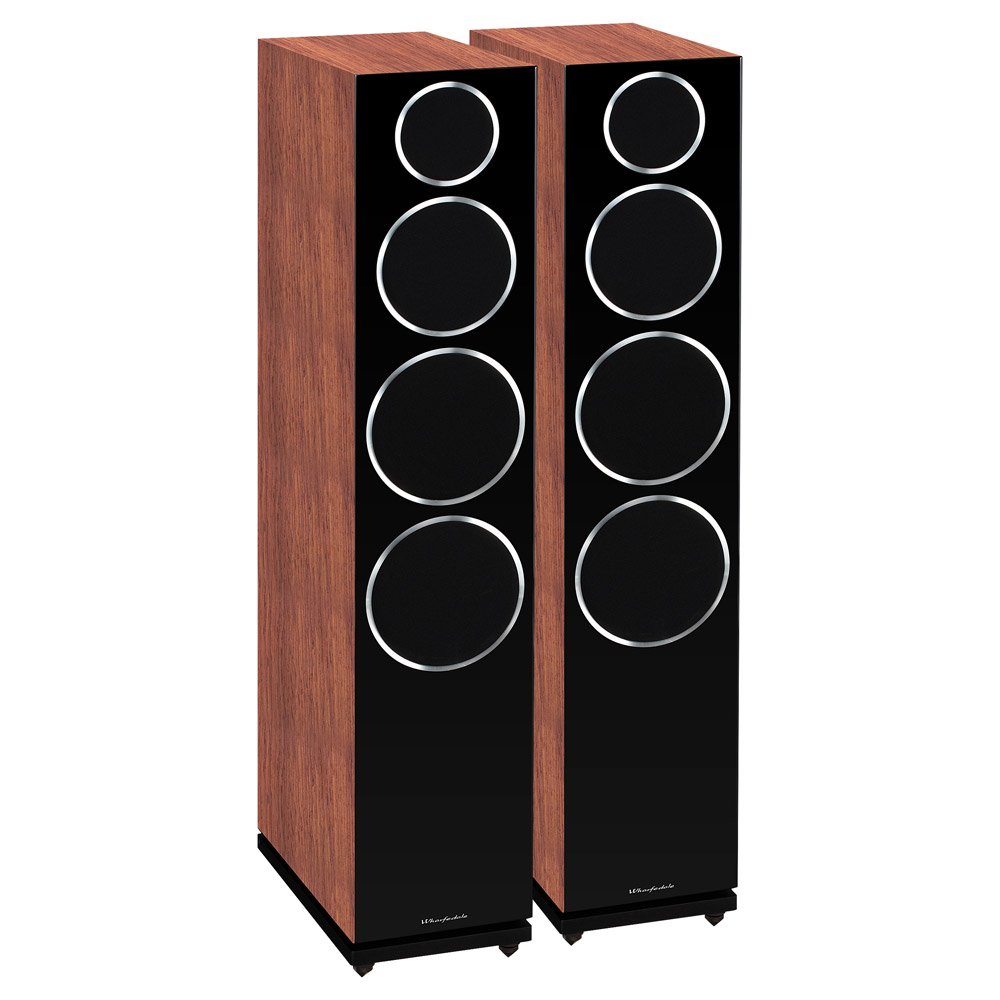
Our modern culture is spoiled for visual media performance, but far too many people take sound quality for granted. Advancements in sound technology do occur, but they receive far less attention and support than the visual media. Any movie buff, music fan, or video gamer understands the importance of sound quality in their media—as well as the frustration of an under-performing sound system.
Buying the right speakers for your personal needs can be a life-affirming experience. People who switch from headphones to speakers, or who choose to upgrade to a high quality sound system for the first time in their lives, are treated to an experience the likes of which they haven’t enjoyed before. High quality sound does more than simply “sound better.” It adds immersion, lessens distraction, and makes every aspect of an already cherished experience even more enjoyable.
A few of the most important factors in speaker sound quality and design are included below. For more thorough and comprehensive information on how to select, set up, and maintain an optimal audio experience, please visit speakerxpert.com.
Floor-Standing Speakers for Music
Large, floor-standing speakers are far superior to desktop or headphone speakers for truly enjoying the richness and depth of your favorite music. Past a certain point in quality, of course, any speaker you buy is likely to do well by you—regardless of what you listen to—but it can’t hurt to optimize.
For high-range sounds, vital for musical styles like opera and jazz, focus on speakers with resilient cone materials, like ceramic composites. These cones are not prone to flexing under the duress of high-frequency sound, a process common in lighter cones. This flexing distorts the sound that you wind up hearing, while lighter cones—being fast-moving—are much better for low frequency sounds (like a solid base beat). They’re great for contemporary and alternative rock.
Floor-Standing Speakers for Video Games, Film, and Television
From the perspective of a film enthusiast, floor-standing speakers don’t offer the same flexibility of positioning as smaller speakers do, when it comes to creating a surround-sound experience. What they do offer, however, is a full, rich, and realistic sound.
You probably don’t want to have floor-standing speakers (also known as tower speakers) as the sole component of a surround sound experience. That being said, having a couple of floor-standing speakers as part of your surround sound setup will have your home sounding like a high quality movie theater. Place one standing speaker to either side of your television or home cinema screen, and angle them slightly: if you were to draw an imaginary line out from either speaker, you would want those lines to cross in the approximate vicinity of your head (or a point close behind it) relative to where you’ll be sitting while watching your films.
The most important quality to focus on for speakers in this function is how far from “flat” their sound is. All speakers feature some variation from how a sound is actually meant to be heard, at various points along the human audible spectrum. The less variation there is, the flatter a line graph of the speaker’s frequency response data would be.
For music, “flat” may not be as important as getting speakers which are optimized for the range of sounds that dominates your favorite style or genre, but from a multimedia perspective it’s definitely an extremely important point of consideration.


