![[Jcount.com]](https://www.jcount.com/wp-content/uploads/2014/08/jcount150X50.png)
![[Jcount.com]](https://www.jcount.com/wp-content/uploads/2014/08/jcountstartupslogo1.png)

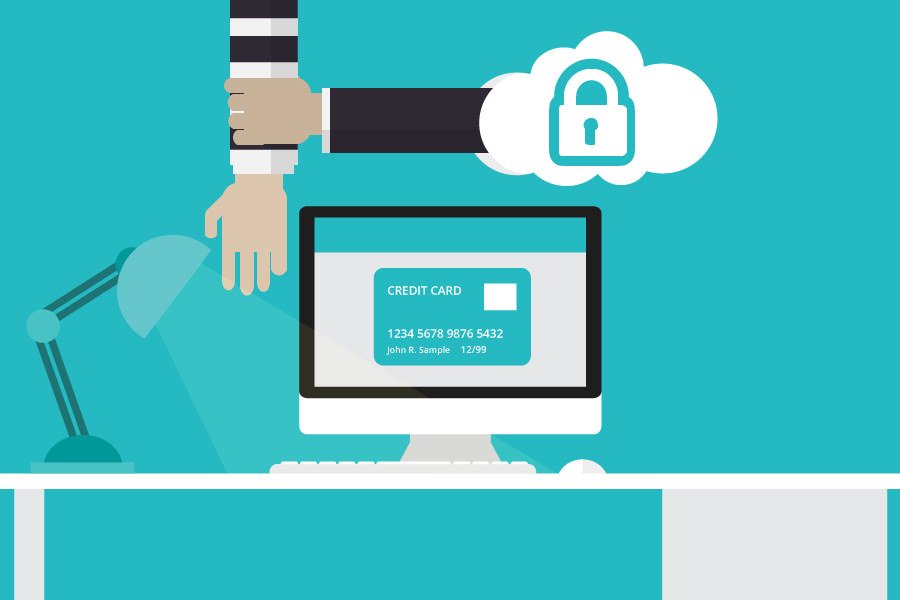
How Online Retailers Secure Their Customers
Consumers are becoming more and more comfortable when shopping online, which not only helps vendors to grow but also requires the higher level of responsibility regarding online security. The more businesses go online, the more trust they should provide to their customers.
Unfortunately, scams exist in any industry, that’s why companies should provide clients with complete information so that they could understand what’s going on and how to avoid online fraud.
How Customers Can Avoiding Online Shopping Scams
According to the cybersecurity expert Brian Krebs, one of the biggest mistakes customers do online is when they search for the store with the lowest price. A customer goes online and browses through different sites to see who has the cheapest offer. Consequently, a whole bunch of fathom stores that exist for a couple of weeks pops up and disappears with your credit card and your money.
That’s one of the biggest and most common mistakes. The only way you actually know if this was a real site versus a fathom site is by checking the registration records of the site to see how long it has been in business, check whether anybody knows about this vendor and finally find the reviews of real customers.
Acknowledging the actions that potential clients can take to check the company’s reliability, let’s have a look on how companies can assure their customers that they are a trusted source for shopping online.
How Online Retailers Can Help Customers Trust Them
Strong Online Presence
As I have already mentioned, the very first thing a client does is a search for your company online. The online presence nowadays goes far beyond setting up a website. Therefore, pay high attention to the top 10 search results and make sure that you have enough media coverage from trusted sources.
Social Media
Remember that social media is not only a huge marketing force but also a good way to show the potential clients that you can be trusted. The survey conducted by eMarketer shows that 77% of respondents are more likely to buy from a company whose CEO uses social media, which shows the effectiveness of social media for brand image. Companies can build a social media dialogue that leads to a trusting relationship and shapes a community of brand ambassadors that can help clients to check if the company is reliable.
Reviews from Third-Party Websites
Such third party review platforms as Amazon, Yelp, and Shopper Approved can make or ruin a business as they are highly trusted by the customers. Online customer feedback is a great way to step it up for companies that abide the rules and care about their reputation.
Paying Attention to Data Security
This is totally the responsibility of online retailers to deliver a secure shopping experience of the customer. In order to secure the sensitive data and not to cause trouble to brand reputation, companies should protect all important accounts containing passwords and credit cards, as well as their online activity.
Refunds and Return Policy
When buying online consumers are relying on the descriptions of the product placed on a retailer’s website. Considering this fact, retailers should give online customers a chance to try the products and check if the quality satisfies their requirements.
One of the best examples of how businesses use the return policy is in the jewelry industry. The McKinsey research shows that jewelry industry is gradually moving online and is expected to take 10% of the market by 2020. A good example is Gold24 Store, an online jewelry store, which solved this problem by allowing buyers to return or exchange the product within 30 days after the purchase.
A strong online brand presence, clear return policy, and secure purchase are main pillars that give consumers a feeling of security and provide a seamless shopping experience; if a retailer refuses to provide this guarantee, then consumers avoid buying the product in future.


