![[Jcount.com]](https://www.jcount.com/wp-content/uploads/2014/08/jcount150X50.png)
![[Jcount.com]](https://www.jcount.com/wp-content/uploads/2014/08/jcountstartupslogo1.png)

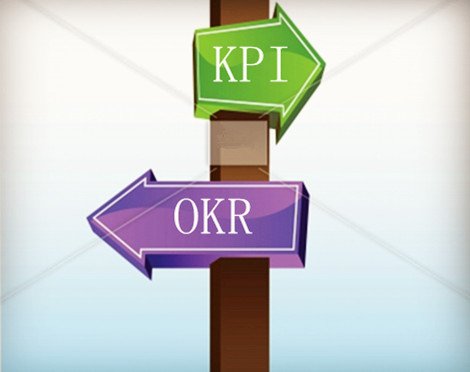
One of the common questions people ask before they begin using OKRs is how they’re different from OKRs vs KPIs, and whether they can be used together. While there tends to be some misinformation surrounding the relationship between the two, they are indeed different. Below, we take a closer look at their distinct qualities and explore how they’re used together.
For clarity’s sake, we’ll start with definitions of the two.
What Are OKRs?
OKRs are “Objectives and Key Results.” They are a powerful goal setting framework in which specific, clearly-defined Objectives are set along with a series of Key Results, or metrics which show progress towards the Objective. Through this strategic goal setting approach, organizations can achieve alignment, focus, transparency, and engagement.
In other words, Objectives ask: What do we need to achieve? And, Key Results ask: How will we get there?
What Are KPIs?
KPIs are “Key Performance Indicators” which determine the factors needed to achieve success in an organization. Some examples of a KPI might include sales by region, customer lifetime value, and employee turnover rate.
How Are They Different?
As you can see, OKRs are not KPIs. Again, OKRs are the framework for setting goals, while KPIs aren’t actual goals; they’re simply the indicators that determine how successfully a company is performing.
Can They Be Used Together?
Not only can OKRs and KPIs be used together, they are actually inherently married because the Key Result portion of the OKR encompasses the KPI. Let’s take a closer look.
Assume you have a new Objective to grow new customer acquisition. The Key Result (again, the “how”) might be to increase New Customer Acquisition to 50% by the end of Q2.
As you can see, “New Customer Acquisition” is highlighted, because that’s the KPI. The KPI is naturally embedded in the Key Result, and is one factor that could determine the success of your organization.
Here are a few more examples, with the KPI highlighted within the Key Results:
Objective: Enhance our website to grow conversions.
Key Results:
- Increase website visits by 5% every month of Q3
- Improve conversions on landing pages by 15% in Q3
Objective: Delight Our Customers
Key Results:
- Achieve an NPS of 9 from our company customers
- Increase customer retention to 98%
Ultimately, OKRs and KPIs don’t just work well together; they’re actually intertwined and are both essential to achieving results in your organization. OKRs act as the map for creating, tracking, and measuring your goals, while the KPIs are the road signs you’ll look out for to make sure you’re on track.


