![[Jcount.com]](https://www.jcount.com/wp-content/uploads/2014/08/jcount150X50.png)
![[Jcount.com]](https://www.jcount.com/wp-content/uploads/2014/08/jcountstartupslogo1.png)

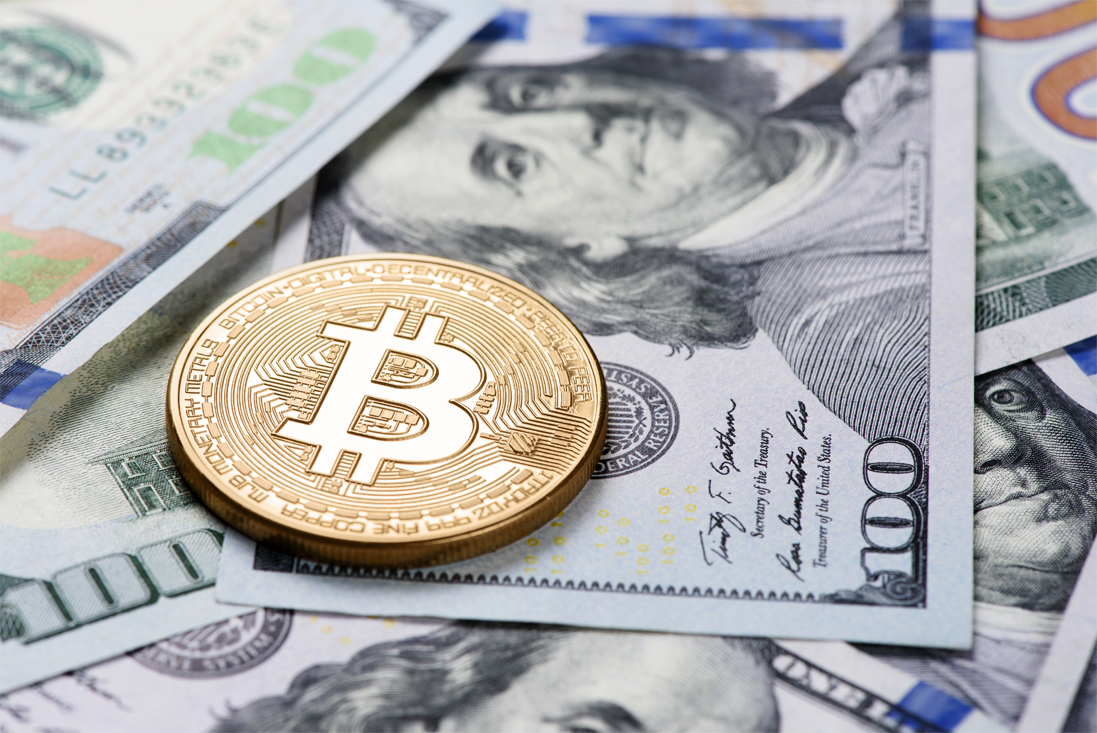
Although bitcoin, the first decentralised digital currency, has been around for more than seven years now, there are still plenty of myths and utter nonsense about this technology spreading among the public and in the mainstream press. Bitcoin and other alternative currencies (cryptocurrencies) surely deserve being referred to in the correct context. It is time to debunk the myths and reveal the truth to every Bitcoin beginner investor that still doubts. Well, let’s go ahead with the seven top myths and the reality…
Myths about bitcoin
- Bitcoin is a virtual currency: So, if there is no internet you will lose all your digital money! Yes, bitcoin is a virtual currency to that extent that it does not produce any “paper” bank notes. The path of bitcoin changing its owners is recorded in a blockchain, a history of transactions, which is well stored on each computer using a software wallet. The blockchain is, in fact, a huge open ledger visible to everybody. One computer is enough to restore the entire network even in the case of a global computer disaster. By the way, how much real is your money in your bank account? This brings us to the second myth…
- Bitcoin is not backed by anything! Bitcoin is backed by the confidence of those who use it (known as “consensus¨). it is the same as fiat currency. Honestly, have you seen recently on any banknote of being backed by gold or enabling exchange for silver? The value of bitcoin is determined by being used as a means of payment for goods and services i.e. by its spread. As opposed to country governments printing their money and issuing bonds at their own discretion, the number of bitcoins has a cap i.e. 21 million and, that’s it. No inflation, no decisions made in your absence.
- Bitcoin is used by criminals. Whenever presented in a movie or television show, bitcoin is almost always being used by some kind of serious criminal or terrorist; however, there is no evidence of terrorists using Bitcoin. First of all, bitcoin is anonymous only until you need to exchange it for cash. Without checking ID it is difficult to get rid of a large portion of bitcoins (at a reasonable rate). And even if someone has ever made this effort it is not so difficult to trace back the route from point A to point B. A well-known case is the Silk Road, a cyberspace used for selling drugs, weapons or ordering a killer in anonymity by using bitcoins. Paradoxically, rather than to damage bitcoin’s image, this case helped bitcoin’s popularity. Honestly, do you believe that the dubious characters pacing up and down the Wenceslas Square have switched to making payments via a mobile wallet? Or do you blame dollars or sterling for allowing payments for any service or product you can think of? It is the same anonymous process as with the bitcoin.
- Using bitcoin, you cannot buy a lot. This might have been true two or three years ago. The current market capitalisation of all bitcoins both in circulation and in deposits stands at around 137 billion US dollars. The number of shops accepting bitcoin as a means of payment is steadily growing. E.g. Overstock, US biggest discount web, cashed in the first months after allowing BTC one million USD.
- Bitcoin is not a recognised currency and can be seen as illegal. Legal is a currency that is issued (such as bank notes) and coined (such as metal coins) by the government. If the same government/s recognise bitcoin as a virtual currency it stands to reason that this cannot be illegal. Nothing that is virtual can be coined! I admit that this is rather playing with words but the fact is that major countries’ governments (such as Germany’s since 2013 and others) regard bitcoin as a legal form of virtual money showing no intention to ban it. Various – more or less “wishful thinking” – warnings presented by the media come from central banks. Honestly, what else can the banks do? Shoot in their own leg?
- Bitcoin emerged from nothing and as such is free. This phrase would require a long time to explain. Technically, I only stress that it is miners and bitcoin mining that keep the system running. The network rewards the most successful ones for the delivery of computer power by 25 bitcoins each 10 minutes. To be able to compute complex algorithms and confirm transactions of other participants, miners make enormous investments in hardware and electricity. Mining of diamonds or gold from the depth of the earth requires hard labour, too, doesn’t it?


