![[Jcount.com]](https://www.jcount.com/wp-content/uploads/2014/08/jcount150X50.png)
![[Jcount.com]](https://www.jcount.com/wp-content/uploads/2014/08/jcountstartupslogo1.png)

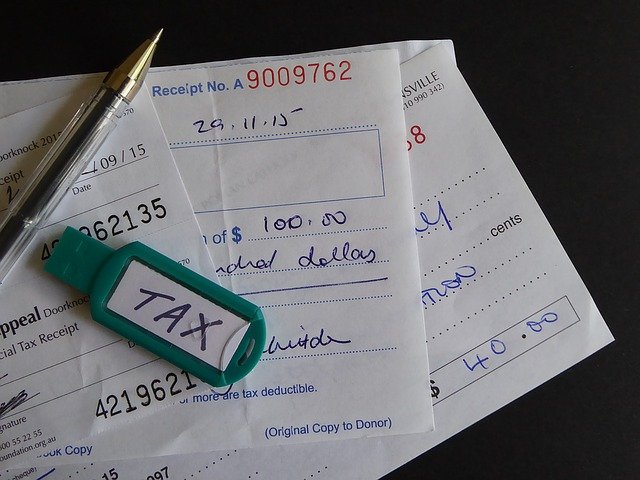
If you run a small business, there are a lot of tax deductions that you could be claiming on your taxes but probably aren’t. Make sure you get the most back this upcoming tax season by checkout this list of small business tax deductions you won’t want to forget!
There are two things in this world you can’t avoid: death and taxes. Fortunately, death only comes for us once.
Unfortunately, taxes come every single year. Sure we can avoid it and hope the IRS doesn’t find out, but if you get caught there are fines, penalties and the possibility of jail time. Instead, it’s a smart idea to arm yourself with knowledge on how you can lower your taxes.
Especially if you’re a business owner. There are small business tax deductions you may not even know about.
To keep as much of your hard-earned money as possible, keep reading. We’re sharing with you 10 small business tax deductions you should be claiming.
1. Salary and Wages
Unless you’re a solo-entrepreneur, most likely you’ll need to hire additional help to run your business. Which is great because salaries and wages are common tax deductions.
Even if you hire an independent contractor or a freelancer it’s still part of the small business tax deductions you can take. Just make sure you get them to sign form 1099. You can also deduct bonuses, commissions, and even taxable fringe benefits.
However, you cannot deduct your own wages nor can you deduct the earnings of any owner in an LLC because these people aren’t considered employees.
2. Hiring a Veteran
One of the best and possibly most rewarding small business tax deductions you can take is by hiring a veteran. Not only are you hiring someone who has served our country, they usually come with admirable traits like working hard and being loyal.
But you when you hire a veteran you can also enjoy the added benefit of a tax deduction. However, to enjoy those extra benefits the veteran must either have a service-related disability, be unemployed for a specific amount of time, or be receiving SNAP benefits (food stamps).
3. Marketing and Advertising
As the saying goes, it takes money to make money. Marketing and advertising are counted as business expenses.
And they’re 100% deductible. Of course, the more successful your marketing and advertising campaigns are, the more income tax you’ll owe.
For solo-entrepreneurs and single-member LLCs, fill out Form 1040, Schedule C. Those with partnerships and multi-member LLCs, fill out Form 1065.
4. Business Supplies
Part of small business expenses are the supplies we need to keep our business running smoothly. Pens, postage, and even cleaning supplies are all considered tax deductible expenses.
You can also opt to use a de minimis safe harbor which allows you to deduct the cost of any tangible property you have like laptops or even a vacuum cleaner. Rather than depreciating these tangible assets, you treat them as a part of your non-incidental materials and supplies.
As such, they’re deductible business expenses when they are purchased or furnished to your customers, whichever happens later.
5. Research and Development Tax Credits
Most people aren’t aware that research and development are a part of small business tax deductions. However, if you’re working to encourage advancement in the field of science or technology or you’re improving or testing the innovation of new materials, processes, or codes, you may be eligible.
If you’re developing a new product or modifying one already in use, you may be eligible for a tax credit. To find out more about research and development tax credits, click here.
6. Professional Fees
Even if you are a solo-entrepreneur, you still need help from time to time. Perhaps you hire an accountant to do your taxes or you need to consult with an attorney.
These are both considered tax expenses known as professional fees. You can also deduct bookkeeping and online bookkeeping services as a professional fee.
Check with the IRS to make sure which legal and professional fees are entitled to a tax deduction.
7. Travel and Entertainment
One of our favorite small business tax deductions is for travel and entertainment. As a small business owner, you can claim most of the cost of doing business while you travel.
This includes car rentals, air/train/bus travel, lodging, and even taxis. You’ll even enjoy deducting 50% of your meal and business entertainment costs. Even laundering services count.
Just don’t forget to keep track of all your receipts and jot down any tips you gave out. Tips count as deductions, too.
However, you cannot deduct the expenses made from family members or friends. If you’re traveling with someone who isn’t an employee, you can’t use them as a deduction. And if you’re traveling overseas, attending a convention, or are on a cruise ship, ask your accountant what restrictions there are.
8. Rent or Mortgage
Whether you choose to rent or purchase your workspace is a decision each small business owner must make. However, no matter what your decision is, both rent and a mortgage is considered part of small business expenses and are therefore deductible.
If you choose to own real estate for your business you can fully deduct your mortgage interest and unlike interest on a personal residence, there’s no cap on the size of loans.
If you choose to rent space, whether it’s an office, a factory, or any other type of facility, it’s fully deductible.
9. Taxes
If you’re self-employed, self-employment tax is not a deduction. Instead, it’s an adjustment to gross income on your personal tax return.
Owners of pass-through entities can’t treat their state or local income taxes as a business write-off. They’re instead considered personal taxes that are only deductible on Schedule A Form 1040. They’re also subject to a cap of $10,000 from now through 2025.
However, some of the small business tax deductions you can enjoy are regulatory fees and taxes on real estate and personal property. You can even deduct any licenses you’ve gotten.
And don’t forget to deduct employer taxes, including the employer share of FICA, FUTA, and state unemployment taxes since they’re 100% deductible. You should also create a budget to ensure you can pay your quarterly taxes on time and in full.
10. Insurance
Part of your business expenses will be from purchasing insurance. Whether it’s liability insurance, malpractice coverage, or even flood insurance, it’s all 100% deductible.
You’re also entitled to use health insurance as part of common tax deductions but there are some rules you need to be aware of. As a small business, you can qualify to claim a tax credit up to 50% of the premiums paid for employees.
And if you are self-employed, you can’t claim health insurance as part of your small business tax deductions. Instead, those premiums are deducted from your personal tax return.
Keep Learning
The more you learn about tax deductions, the more money you can keep in your wallet. And the more you invest in your education, the more freedom you have to live your life on your terms.
Keep reading our blog for more tips on how to live a more financially secure life.


