![[Jcount.com]](https://www.jcount.com/wp-content/uploads/2014/08/jcount150X50.png)
![[Jcount.com]](https://www.jcount.com/wp-content/uploads/2014/08/jcountstartupslogo1.png)

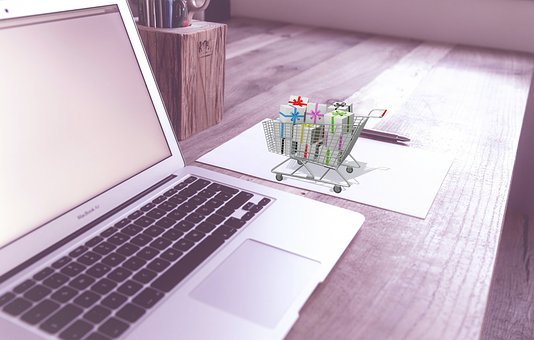
Creating a retail business can be time consuming, but that doesn’t mean that it’s impossible. In fact, the good news about starting your own retail company is that while it does take a lot of work up front, it starts to settle down once your business is established. As with most things, the important thing is to plan ahead and put in the hours when it’s needed.
In fact, retail businesses are some of the easiest businesses to create, because there’s no need to invest up front in research and development, prototyping and other start up costs that come in to play if you’re creating a product. At the same time, if you want to be successful then you need to do your research up front to make sure that you know what you’re doing.
That’s where this article comes in, and so without further ado, let’s jump on in and take a look at how to become a successful retailer.
How to become a successful retailer
1. Scout a location
For retail stores to be successful, they need to have a certain amount of footfall to their physical location. Otherwise they won’t be able to make enough money to make the business viable. That’s why it’s super important to scout out different potential locations and to find one that makes sense for you. Bear in mind that if you’re a specialist retailer, there’s no need to spend huge amounts of money on a prime location because people will seek you out to buy from you. You should also consider insurance options for retailers.
2. Build relationships with vendors
It’s not what you know, it’s who you know – and that’s just as true in business as it is in the rest of life. When it comes to retail, it’s important to establish relationships with the vendors because you’ll get your stock from them. If you can create partnerships with vendors or even negotiate discounts for buying in bulk, it can help you to boost your profits while still keeping your prices low.
3. Identify your channels
Retailers start by putting a bricks and mortar store first, but that doesn’t mean that’s all they can do. Many retailers choose to support their physical stores with online stores and by selling through other outlets, such as Amazon or eBay. You also need to think about mobile shopping, especially because there are over a billion people accessing the internet from their smartphones. On Cyber Monday in 2018, more shoppers came from mobile devices than from tablets and desktops combined.
4. Identify your products and services
Deciding which products to stock in your store requires a mixture of research and intuition. If you know your customers well enough then you’re not going to struggle to stock the products they want or to provide the services you’ll need because they’ll tell you what they want. You also need to think about any extra services you’ll offer, above and beyond your core products. For example, will you provide delivery or gift wrapping services? What about a loyalty program?
5. Get to know the market
Having a great idea will only get you so far. That’s why you’ll also need to spend a little time carrying out market research and understanding who the competition is. Otherwise, you run the risk of launching a company that effectively already exists. Of course, there’s often room for more than one company in any given market, and so then the job becomes to establish a point of difference.
6. Specify your policies
Every retailer has a set of policies that determine what they do in any given situation. This includes everything from returns policies to any guarantees that you might offer if something goes wrong. Of course, these policies shouldn’t just cover what happens when something goes wrong – they need to cover every aspect of your business’s operations from across the board. They also need to be created as early as possible so that employees can refer to it. While you’re at it, you should also carry out roleplaying and training to make sure that they can put them into practice.
7. Focus on customer experience
Customer experience is always a factor in any company, no matter what the company does. You’re providing a customer experience whether you know it or not, and so the important thing is to put in the time to map out every customer touchpoint and to make sure that you’re representing your business in the best possible way. Remember that in contrast to online shopping, where people can shop from the comfort of their own home, if you’re a retailer then you’re asking people to go out of their way to visit your real world location.
8. Perfect your marketing
Building on the last point, you need to work on your marketing if you want people to know that you exist in the first place. Spend a little time figuring out where you’re likely to make the biggest impact. For example, if you’re a specialist tabletop gaming store then it makes more sense to advertise to specific groups of people on social networking sites than it does to take out mass advertising in local newspapers.
Now that you know the steps to follow if you want to become a successful retailer, it’s over to you to put what you’ve learned today into practice. The good news is that it doesn’t have to be too difficult, plenty of other people have made it happen and turned their dreams into reality. The real question is, are you ready to do the same?