![[Jcount.com]](https://www.jcount.com/wp-content/uploads/2014/08/jcount150X50.png)
![[Jcount.com]](https://www.jcount.com/wp-content/uploads/2014/08/jcountstartupslogo1.png)


Image from Wikimedia
Though it’s pretty easy to forget about them, Meta descriptions are an exceedingly important factor in the scope of your whole marketing strategy. Those brief little descriptions right under a search result’s headline can have an absolutely massive impact on the traffic and conversions your website can reap. If you’ve been neglecting them so far, don’t panic! Here’s a brief guide to creating an effective meta description.
First of all, make sure the meta description is compelling. This may sound hard with such a short space to work with, but it’s an important step to take nonetheless. Start by writing one short, concise sentence that tells your target market what they’ll find on the landing page, and how they’ll benefit from clicking. Obviously, you don’t want to summarise the entire page or give too much away. Promise a lot, without actually saying too much. A valuable customer may not actually be interested in the content you’ve put up. However, getting them onto the page is half the battle of converting them. Who’s to say they won’t see something in the tabs or borders that really hooks them in?
Image from Pixabay
Another, more technical feature of an effective meta description is the use of one to two keywords. While professional SEO services can do a lot for a campaign, this is one trick you can carry out yourself! The title tag and meta tags have to have keywords tied to the content of the web page. Otherwise, Google’s crawlers won’t be able to understand what the page is about, and in turn won’t be able to index your content higher in SERPs. Ideally, a meta description should target one commonly searched keyword for each page. Throw in too much, and the search engine will catch you out for keyword spamming. This will lead to you being penalised, and your page being bumped down the SERPs it appears on. Once in the title, and once naturally in the meta description should do it.
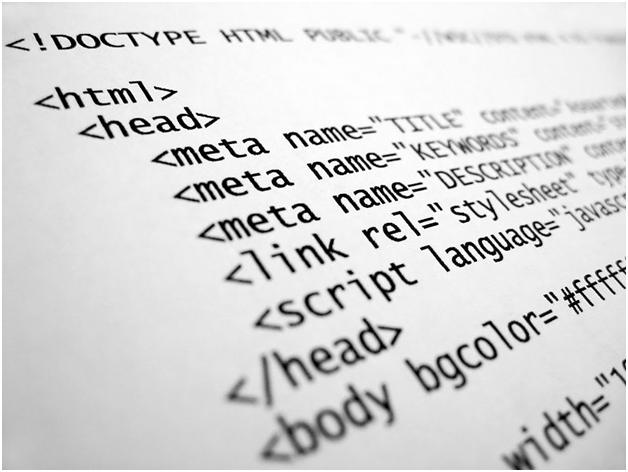
Image from Wikimedia
Lastly, make sure to delete any non-alphanumeric characters if at all possible. Hopefully, after enough algorithm updates, this won’t be too much of a concern for people composing meta descriptions. Search engine crawlers will identify hyphens, quotation marks and other non-alphanumeric characters as HTML code. This could mean that your meta description will look more like a page of code rather than the compelling content which you worked so hard on. I know that certain things like quotes and hyphens can be pretty essential to the message you’re trying to get across in a meta description. You can still use capitalisation and italics to put emphasis on certain words and phrases. Your best bet is to just re-write the whole thing. It may not have the impact you were going for, but it will certainly look better than a load of cut-up HTML code.
There you have my recipe for a great meta description. Hit it on the head, and you’ll be giving the right information to the right people, improving your click-through rate, and strengthening your whole business.


