![[Jcount.com]](https://www.jcount.com/wp-content/uploads/2014/08/jcount150X50.png)
![[Jcount.com]](https://www.jcount.com/wp-content/uploads/2014/08/jcountstartupslogo1.png)

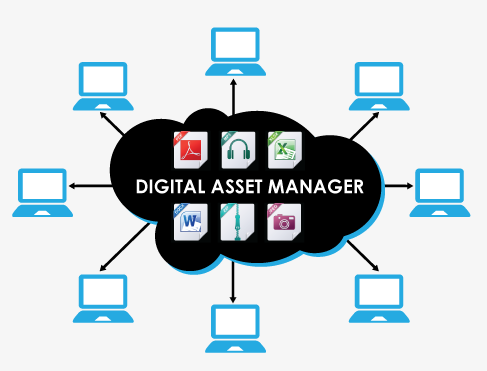
One of the biggest problems facing companies today is the underutilization of marketing assets, with fully one third left untapped. Digital Asset Management (DAM) is a tool that can resolve this difficulty and simultaneously increase revenue and cut costs.
Marketing requires collating a variety of assets that are increasingly hard to find and share because of the large volumes of digital data that companies are storing. Share drives proliferate duplicate folders and versions of the same files, and don’t include files a team member doesn’t share. Over time, the folders become labyrinthine and subfolders in different locations obscure sources.
Data Management Has Become Unwieldy as Data Volume Grows
The problem is particularly acute with marketing companies, that require a larger number of assets than other types of business. Since the internet has expanded to unimaginable size, the need for assets to create an effective marketing project has increased tenfold. Marketers must contend with such issues as:
- Improper use of licensed assets
- Duplication of effort because assets cannot be located
- Failing to use assets that are hidden and cannot be easily found using traditional search methods
An enterprise digital asset management solution uses next generation search engine technology that allows a search for metadata, keywords, and tags, boosting the efficiency and effectiveness of a search.
Another complication solved by DAM is that traditionally, spreadsheets are used for tracking copyright. As the volume of assets grows, more and more time must be devoted to scouring these spreadsheets, and human error becomes more frequent. Spreadsheets are passive tools, and cannot prevent the use of a protected asset. DAM can avoid this whole situation by linking tags to the asset or by interfacing with a license management tool. DAM can even prevent access to assets that are not permissible to use.
The time and effort put into creating a digital asset has a value that should be tapped to the maximum. Each asset should be used as many times as possible. Without DAM, extra cost comes into play to store the data and to retrieve it, cutting into the value of the asset.
Workflow in DAM Circumvents Time Lags and Duplication of Files
Using workflows in DAM allows an entire process of review and teamwork to occur without hours spent looking for particular files and then emailing them back and forth. Workflow requires collaboration during setup to achieve maximum results, but once it is properly established, it works well without any oversight. Points to consider when designing a DAM workflow are:
- Everyone must contribute to the discussion of the goals of the workflow and obtain a consensus.
- Assign responsibilities to a role, not an individual. Workers can be given roles that have been established, but as workers come and go, the role will remain built into the workflow.
- Keep it flexible, so that it can be tweaked as needs change
Once a company understands the value of DAM, it is easy to learn and use. The rise in productivity and employee satisfaction that DAM brings is leading more companies to explore the many facets of this powerful new tool.


