![[Jcount.com]](https://www.jcount.com/wp-content/uploads/2014/08/jcount150X50.png)
![[Jcount.com]](https://www.jcount.com/wp-content/uploads/2014/08/jcountstartupslogo1.png)

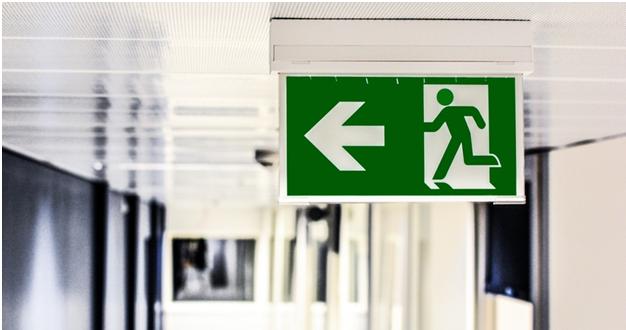
We don’t like to think about it and we tell ourselves that it will never happen to us. The truth is that a situation at work can get out of hand in a heartbeat. An electrical fault, a cigarette butt, having paper too near equipment. These can lead to some high-pressure and honestly frightening experiences. But you can be prepared for it. In fact, you need to be prepared for it. So here’s what you need to consider about handling emergencies at work.
An eye on risk
As much as it’s important that you know how to deal with an emergency situation, it obviously begins with trying to avert them. Regular briefings on fire risks need to be a part of any business. Particularly those that has plenty of paper or electrical equipment. For the equipment itself, it’s important to get a risk assessment. That way you can make the maintenance or replacements that mitigate the danger they pose.
Knowledge and planning
It’s not enough to try and prevent them from happening, of course. You need to have a plan set up for when an emergency does arise. This involves an escape route and keeping it neat and free of obstruction. How to raise an alarm. How to evacuate safely. What to do if trapped. Emergencies are panic-riddled situations, so get people to practice the motions with drills.
Practice makes perfect
A sensible business is going to train some people in particular how to deal with these emergency situations. First aid practitioners, fire marshals, those who lead the evacuation and such. These people need even more training than the rest of the staff. Without re-training, people are liable to forget what they learned in the heat of the moment. Think of the old saying, “training a lifetime for the sake of a single moment”.
Equipment and installations
Dealing with those situations all comes down to how well equipped the business is, as well. For example, it’s not just fire alarms that need constant checks and maintenance. So do all the fire extinguishers in the office. You also need to think about equipment for keeping the lights on in an emergency situation. If something hits the power, the dark will only increase the panic of the situation. Make sure emergency light and exit light testing is done often to avoid that.
The law and your responsibility
It is your legal duty to do as much as you can to keep your employees healthy and safe. The steps above are going to help you make sure you stay on the right side of events legally. Employees may get injured. But so long as you can prove you acted according to standard, you have a much better chance of not being found legally liable. Otherwise, they can demonstrate that you have failed your responsibility. So make sure you brush up on your legal requirements for health and safety.
We hope these tips help you seriously consider the safety of the business and how you cope with emergencies. It’s all about protocol, training, and equipment. Then it’s about always keeping it in your mind.


