![[Jcount.com]](https://www.jcount.com/wp-content/uploads/2014/08/jcount150X50.png)
![[Jcount.com]](https://www.jcount.com/wp-content/uploads/2014/08/jcountstartupslogo1.png)

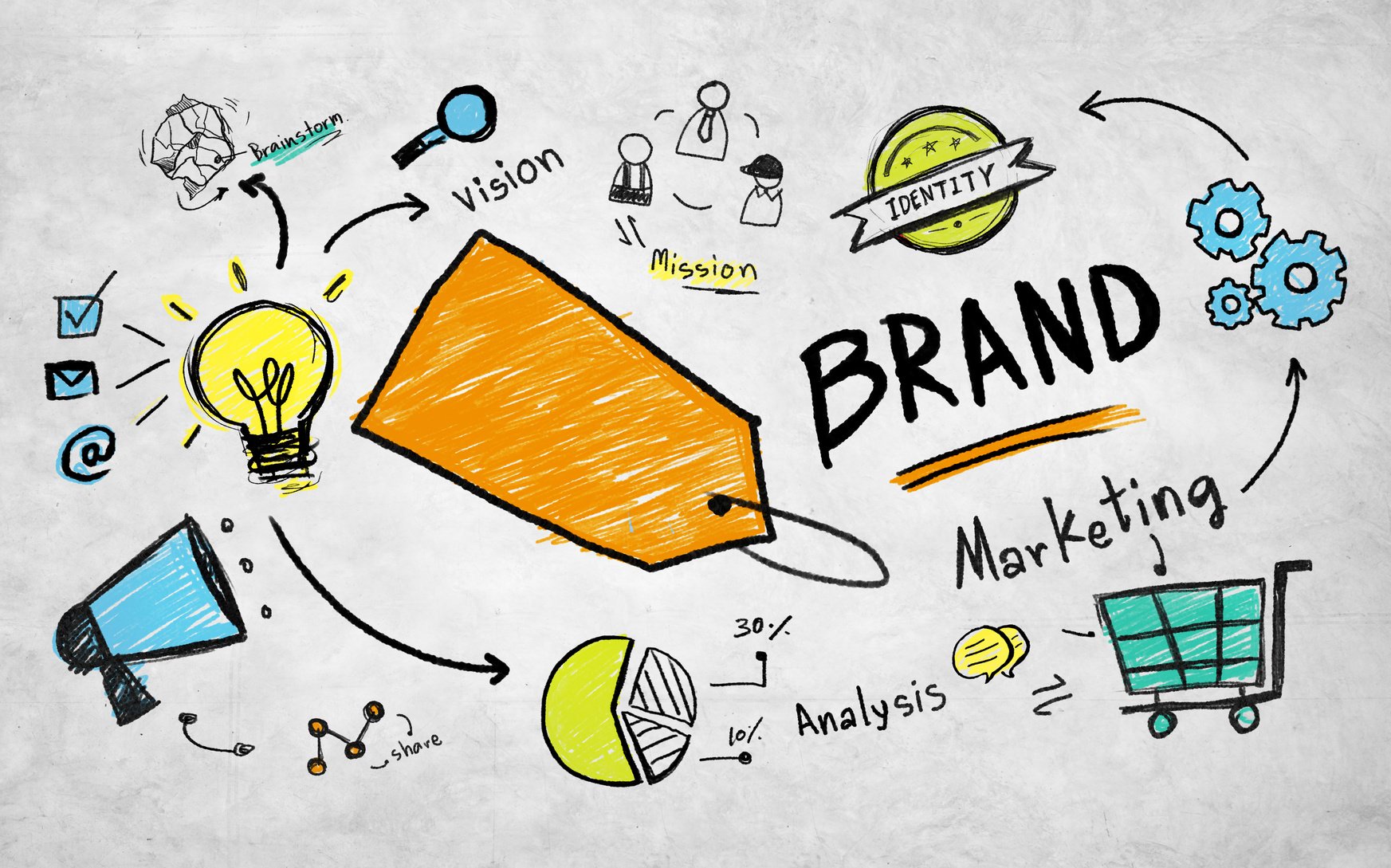
Scrolling through social feeds one minute, opening an email the next, your audience expects the same brand presence no matter the screen. Consistency isn’t cosmetic; it’s a trust-building mechanism that reassures buyers they have arrived in the right place.
This guide explains how to knit every touchpoint together into one unmistakable experience, so whether someone discovers you on TikTok or receives a print catalog, they encounter the same promise, personality, and professionalism.
Define Your Core Identity
Nail down the fundamentals before you worry about formats. Start by articulating a clear purpose, the problem you exist to solve, and the attitude with which you solve it. Choose a concise value proposition, three to five brand pillars, and a tone line that captures your personality in a sentence.
From there, lock in a primary color palette, typography hierarchy, and a handful of signature imagery cues. These elements form your brand DNA; they should appear in every asset, from the favicon on your website to the hold music on your support line, creating instant recognition in any environment.
Adapt Voice and Visuals for Each Channel
Consistency does not equal carbon copies. Each platform has its own context, attention span, and technical constraints, so express the same identity in platform-native ways. On Instagram, let color and motion dominate; on LinkedIn, lead with insight-rich headlines; in podcasts, rely on voice warmth and storytelling cadence.
Translate your core typography into web-safe fonts, resize logos for favicons, and repurpose long-form articles into carousels or tweet threads without diluting meaning. Document these scenarios inside a living brand style guide that shows before-and-after examples, empowering content creators, freelancers, and regional teams to execute without endless approvals or off-brand improvisation.
Leverage Technology for Seamless Execution
Once guidelines are set, technology keeps them honest. Centralize approved logos, templates, and photography in a digital asset management platform so designers and sales reps pull from the same source of truth. Use cloud-based design tools with locked color swatches and character styles, making it impossible to slip into off-hue blues or rogue fonts.
Automate cross-posting from a content hub that pushes tailored versions to social channels, email newsletters, and mobile apps while preserving metadata for attribution tracking. When updates roll out—new tagline, seasonal palette, refreshed iconography—bulk-replace assets overnight and watch every customer-facing surface update in harmony.
Monitor, Measure, and Refine
Consistency is a moving target, so treat oversight as an ongoing cycle. Set up social-listening dashboards to flag unauthorized logo variations, color drifts, or tone mismatches. Run quarterly audits that compare screenshots of every platform against your style guide, scoring each touchpoint for fidelity and impact. Pair qualitative observations with metrics such as engagement lift, click-through rates, and assisted conversions to prove that harmony pays dividends.
Where gaps appear, coach teams, update templates, or add micro-animations that reinforce recognition without fatigue. An internal newsletter on branding & design milestones keeps everyone informed, proud, and aligned on the next evolution.
Conclusion
Mastering multi-platform branding is less about policing assets and more about embedding a coherent story in every pixel, post, and package. Define who you are, adapt intelligently, empower execution with tools, and track performance relentlessly. Follow this rhythm and audiences will recognize, trust, and choose you wherever they encounter your name.