![[Jcount.com]](https://www.jcount.com/wp-content/uploads/2014/08/jcount150X50.png)
![[Jcount.com]](https://www.jcount.com/wp-content/uploads/2014/08/jcountstartupslogo1.png)

What does Glooko do?
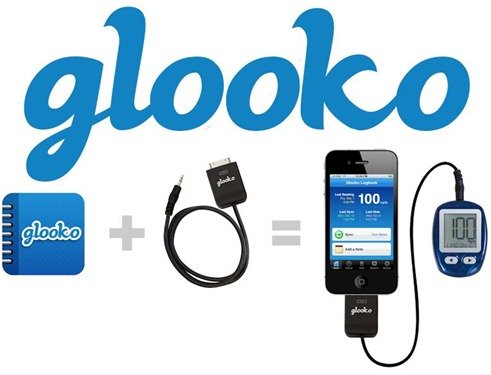
Glooko, is a diabetes management startup that sells a unified diabetes data management healthcare service. This startup up is a cloud based diabetes management platform which serves patients, health care providers and the payers by syncing blood glucose readings from more than 30 meters to iOS and Android mobile devices. This facilitates the lifestyle data of the patient and helps in managing the diabetic population.
Using Glooko’s MeterSync, diabetics can sync their blood sugar readings from more than 30 meters to their Android and iOS devices. With Glooko app, diabetics can know their blood glucose levels and add context such as insulin, carbs, medication and other activity data.
With its Population Tracker health care providers and payers can risk stratify the diabetics and remotely check individual patients data.
How Much Glooko was funded?
Glooko raised $16.5 M in Series B funding on March 17th 2015 from Samsung, Canaan Partners, The Social+Capital Partnership and Medtronic
Previous Funding
- $7M / Series A on Jan 8, 2014 from Lifeforce Ventures, Sundeep Madra, The Social+Capital Partnership, Yogen Dalal and Samsung Ventures
- $3.5M in Series A funding on Jan 30 the, 2012 from Judy Estrin, Andy Hertzfeld, Vint Cerf, Bill Campbell and The Social+Capital Partnership
- $1M in Seed round on Nov 1, 2010 from The Social+Capital Partnership, Vinton Cerf, Xtreme Labs, Andy Hertzfeld, Bill Campbell and Judy Estrin
What is next for Glooko?
Glooko’s MeterSync technology currently supports downloading data from more than 30 glucose meters, which is more than 90% of the glucose meter market. It has plans for integrating with insulin pumps and continuous glucose monitors to continue its unified approach which is fueled by its new funding injection.
More about Glooko
Glooko was founded in November 2010 by Yogen Dalal with its headquarters based in Palo Alto, CA. it has launches its hardware device and app in 2011 and has been building out a platform approach for management diabetes since.
Its mission is to improve diabetes outcomes at lowered costs. It charges health systems and clinics a subscription per patient per month fee for its services.