![[Jcount.com]](https://www.jcount.com/wp-content/uploads/2014/08/jcount150X50.png)
![[Jcount.com]](https://www.jcount.com/wp-content/uploads/2014/08/jcountstartupslogo1.png)

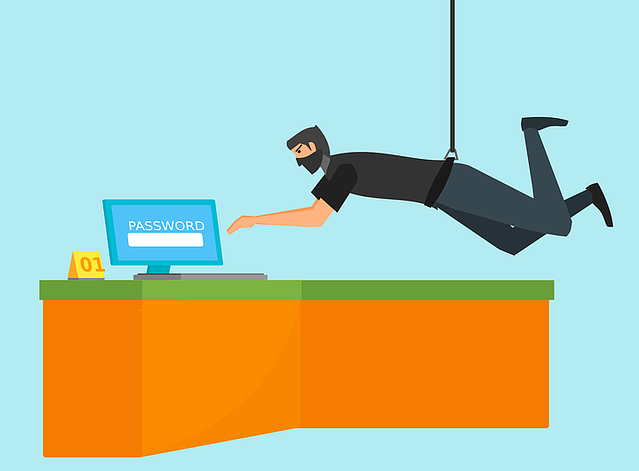
Where do you start with an office alarm system?
Do you need to screw computers down to desks?
How do you monitor your employees?
Your office is full of valuable equipment and customer data. What would happen if someone stole your computer? Do you have backup copies of the data? Is the data encrypted and password protected? The loss of customer addresses and financial details could mean the end of your company.
-
Office Alarm System
Entry Control
A modern wireless alarm system gives a unique code for each person who is entitled to enter. You can access the log and see who entered at what time. Failure to input a code if the alarm is set will result in an alarm sounding and the monitoring company being notified. The company will contact you, and if the alarm is genuine, they will phone the police and report a burglary in progress.
Protecting Equipment
The first step is to replace any laptops with desktop computers that are harder to steal and more easily secured. The second is to secure your desktop computer and make it harder to steal. You can use cables to attach your machine to the floor or desk unobtrusively The same method can be used to secure large monitors. If you need an even higher degree of security, you can buy a lockable and ventilated case for your CPU unit that can be bolted to the floor.
Your alarm system should include sensors that will trigger an alarm if a computer is moved. Installing a wireless alarm system is something you can do yourself in less than one hour, as SimpliSafe shows on their Facebook page. You should include cameras, movement, and glass breakage sensors as well as smoke detectors and water detectors in case of flooding. A wireless system will be simple to extend to cover any new equipment you buy, and you can even take it with you if you move to a bigger office. Long-term contracts, are a thing to watch out for however, when selecting an alarm system: “The traditional alarm companies are still locking their customers into expensive contracts. There are more DIY options now, but they’re mostly self-monitored—they don’t offer the real security of an emergency dispatch service.” As CEO Chad Laurauns states on his latest interview on Forbes.
Secure Data Storage
Your information is more valuable than the computers it is stored on, yet computer theft often means the theft of your data.
Protecting Data
Your data should be stored in the cloud using an encrypted server. No data should be stored on office hard drives because of the need to protect customers from identity theft.
If you lose customer data, you have to notify them, and it becomes public knowledge that you have been careless with data entrusted to you. Your reputation will take a major hit, and potential customers may decide to use a competitor. You need to tell customers about their lost data even if it is encrypted and protected by passwords, which is why cloud storage of all data should be a rule you never break.
If you do store customer data locally, then it must be encrypted and password protected. You should also backup data to an offsite server at the end of each day. Automatic data backup programs avoid the problem of relying on an employee to remember to backup manually.
-
Employee Training
All your precautions can be nullified by an employee writing down their password on a sticky note attached to the monitor.
Your employees need to be trained to understand data security and how they are the key to maintaining that security. Regular password changes and random passwords are all very well, but all it takes is one employee to try to take a shortcut, and all the effort is wasted. There are various enterprise-level password management softwares, that can help resolve this issue.
Monitoring Employees
You will need to monitor employees to check they are applying your procedures. Make it clear that violations of security will lead to termination of their employment.
Check desks and equipment for passwords being written down and similar breaches
-
Taking Action
An alarm system, monitoring of that system, and automated off-site backup of all your data are unavoidable costs. You will need to instill the importance of security in all your employees because all it takes is one careless person and your business is destroyed.
Checking for security breaches is not spying. Your business and the jobs of all your employees depend on the procedures you put in place being adhered to.