![[Jcount.com]](https://www.jcount.com/wp-content/uploads/2014/08/jcount150X50.png)
![[Jcount.com]](https://www.jcount.com/wp-content/uploads/2014/08/jcountstartupslogo1.png)

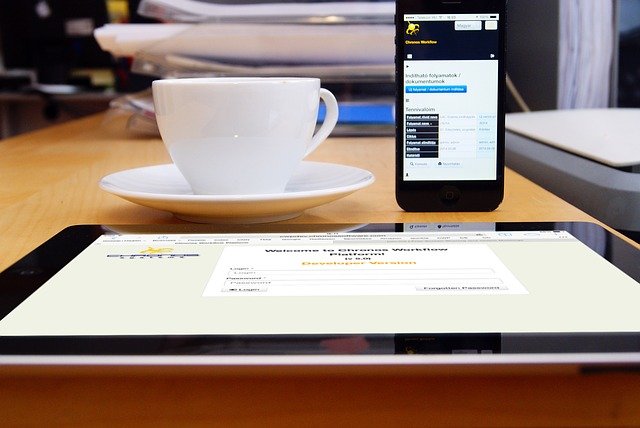
Paperless businesses are on the rise. I have written extensively on the benefits before, such as reducing costs and improving environmental sustainability. However, paperless businesses also come with risks of their own. The biggest concern is security.
When you keep sensitive hard copies of documents in your office, someone would have to physically break into the building to get them. They are much more vulnerable if you store them on the Internet.
The risks are higher for three reasons:
- Criminals are bolder about conducting crimes online. The supposed anonymity makes them more willing to commit crimes, because they think there is no likelihood they will be caught.
- Geographic barriers are no restriction to them. Criminals from all over the world can access your documents. Travel costs, visa risks and foreign arrest warrants are no deterrent to them.
- Many businesses tend to be a lot laxer with their security online than they are with their physical real estate.
The third listed above is arguably the biggest concern. You won’t believe how many business owners are completely negligent with their online security. This is a tremendous mistake, because nearly two-thirds of small businesses that are victims of digital security breaches are forced into bankruptcy within six months.
Sadly, the risks are much higher if you turn towards a completely paperless business. You will be storing a number of very sensitive documents online, including employee payroll information, company secrets and your tax documents. Hackers will be even more interested in targeting small businesses that keep so many valuable files online.
With that in mind, here are some precautions that you must take to keep your business safe.
Used double token authentication for more sensitive documents
Some documents require extra layers of security. In addition to being password-protected, you should have other safeguards as well. Two-factor authentication adds an extra step to your basic log in, ensuring that hackers need more information than just a password to access your documents.
Limit certain documents to internal servers
One of the advantages of keeping hard records of documents is that only people in your building can access them. You can try using similar restrictions for digital documents as well. Limit access to certain documents to people using a company IP address. Using a virtual data room can also be a viable solution. Virtual data rooms are used for M&As and other projects on a regular basis.
Use auto-generated passwords
Coming up with unique passwords is one of the most important parts of running any organization. Unfortunately, it is much tougher than it seems. If you are creating passwords yourself, they will be much easier to crack. Hackers will be able to do research on you to guess your passwords, which is easier than it seems. Passwords that we choose on our own also are much more vulnerable to brute force attacks.
This won’t be an issue if you use auto-generated passwords. No amount of research will make it easier to guess someone’s passwords. They would have to do one of the following instead:
- Launch a brute force attack with a dictionary cracking tool.
- Install a keylogger application.
- Use social engineering to trick an employee into providing the password.
While it will still be hackable, it will be much more difficult than if you choose a weak password, particularly one related to details you’ve posted online.
Protect your paperless company from hackers
Hackers are a serious problem for every business with a digital presence. They pose an even greater risk to paperless companies. Make sure you take adequate measures to keep your brand safe.


