![[Jcount.com]](https://www.jcount.com/wp-content/uploads/2014/08/jcount150X50.png)
![[Jcount.com]](https://www.jcount.com/wp-content/uploads/2014/08/jcountstartupslogo1.png)

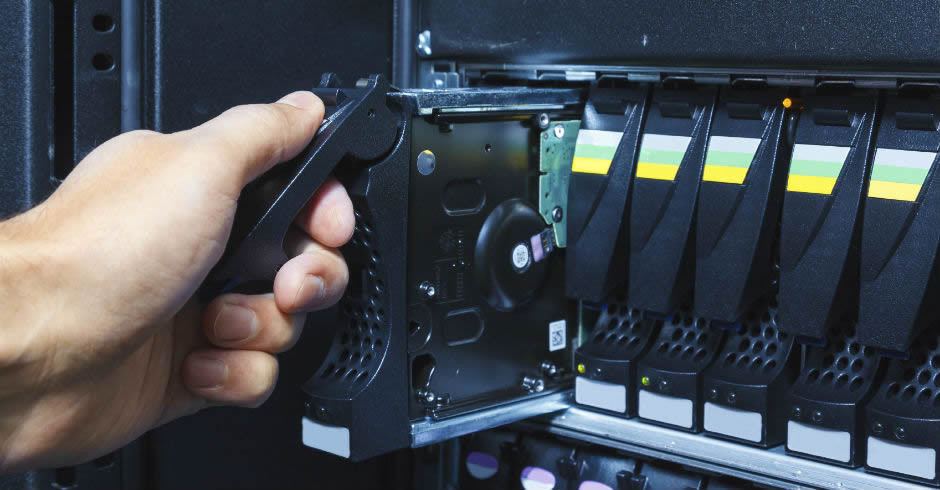
One of the main misconceptions about RAID drives is that people tend to assume that their data is completely safe. While it is true that RAID drives offer an additional layer of protection, it is still possible that your data to be compromised if more than one of the hard drives in the RAID fails (the exact number depends on the type of RAID).
With that in mind it should be clear that it is important you know how to handle a RAID drive failure. More to the point, it is crucial that you understand what not to do:
- Do not do it yourself if you aren’t absolutely certain
Unless you are an expert and know exactly what you’re doing, your best bet to recover data from a failed RAID is to send it to a professional. The first attempt at data recovery stands the best chance of succeeding, so if you make an attempt and it doesn’t work you could compromise the data further.
- Do not rebuild the RAID unless everything checks out
If you attempt to rebuild the RAID when one (or more) of its drives are faulty or in the wrong sequence then it could overwrite the RAID controller with incorrect data. Once that happens recovering data will be almost impossible, so you should avoid it unless you are certain everything is in proper working order.
- Do not lose track of the connection sequence
When you remove any RAID drives to replace or repair them, you must make sure that you preserve the right sequence. As mentioned previously, rebuilding the RAID in the wrong sequence could have dire consequences – which is why it is recommended that only ever remove one drive at a time and replace it before removing another.
- Do not restore from backups that aren’t verified
Assuming you have a backup, your first recourse may be to restore the RAID data from it. While that is great, if the backup isn’t verified and doesn’t contain the right data that will mean that your RAID will be overwritten with the wrong data, and recovery will not be possible.
Make no mistake, recovering data when a RAID drives fails is tricky and that is why your best bet is to get help from RAID recovery experts such as KrollOntrack. Additionally as much as RAID drives offer some protection you should never consider them to be a ‘backup’ and should always have a separate backup in a different location that is verified – just in case it is required. Just remember, don’t restore any unverified backups or things could end up much worse than they were in the first place.


