![[Jcount.com]](https://www.jcount.com/wp-content/uploads/2014/08/jcount150X50.png)
![[Jcount.com]](https://www.jcount.com/wp-content/uploads/2014/08/jcountstartupslogo1.png)

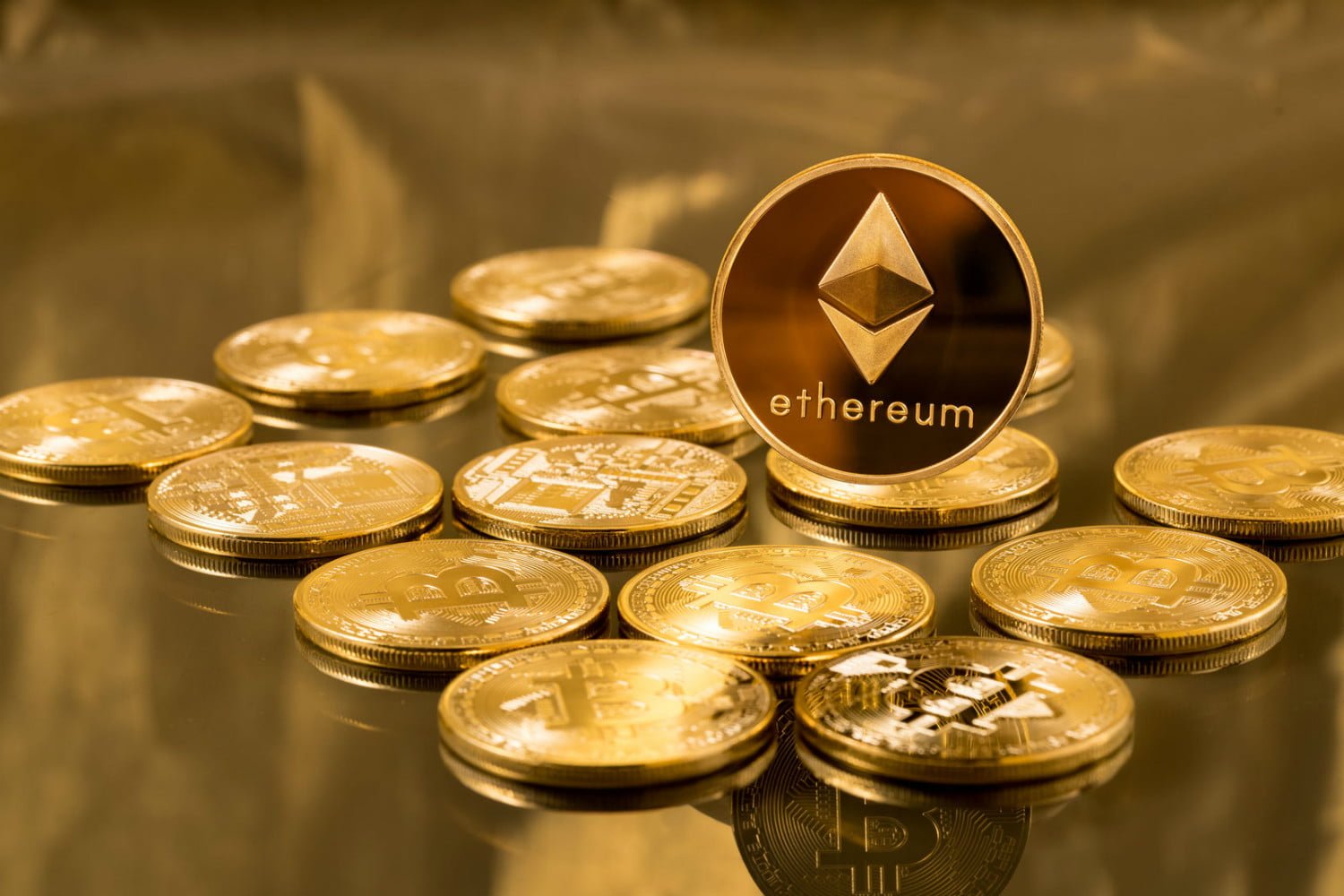
In the cryptocurrency world, there are more ICOs popping up every day, but these are commonly referred to as “Altcoins”. Altcoins have a higher degree of risk compared to Bitcoin and operate on the fringes of the cryptocurrency community. On the other hand, Bitcoin is the clear leader in the community based on market capitalization and popularity.
If you were to talk to anyone on the street about cryptocurrencies, the first one they would mention is Bitcoin. But what would be the second? Ethereum is the common answer here. With the second largest market capitalization ($99 billion to Bitcoin’s $187 billion) and a generally strong reputation in the technology world, Ethereum has garnered much attention. But why is it so special? And what makes investors buy Ethereum?
What is Ethereum?
In 2013, Vitalik Buterin founded Ethereum, and later on in 2014, a crowd sale was executed for the initial sale of tokens. The basic idea behind Ethereum is it would serve as a world computer. This sounds grandiose, but what it really means is there would be a simple way to pay someone for performing computations. From the beginning, Ethereum has had a strong reputation in the technology industry – with Vitalik Buterin having received the Thiel fellowship and technologists having a generally strong view of the protocol’s aims.
Another way to think of this is with an analogy to Uber or Airbnb. With those companies, you are paying someone else to share what they have but do not need at the moment. The same applies to Ethereum and the use of computing power. Excess slack in the system is being monetized, and the result is a net positive for all.
One thing that many new investors find confusing is what the difference between Ethereum and Ether is. Ether is the actual coin, or token, that relates to Ethereum, and it is what is used to compensate for the execution of computations.
Another aspect of Ethereum that sets it apart lies in Ethereum switching to the proof-of-stake algorithm rather than proof-of-work. Proof-of-stake is a different transaction validation method from what Bitcoin currently runs on. Unlike Bitcoin, where miners receive cryptocurrency in exchange for performing computational work along the way, Ethereum makes it so that a certain pool of users receives transaction fees for being part of the network, in particular, holding a stake in the network.
The main reason for this difference is the high energy costs that result from proof-of-work. When someone aims to mine Bitcoin, they are racing to solve the mathematical problem before anyone else does. This requires a high amount of energy, and only one node is actually getting rewarded for this expense, which results in huge waste.
Ethereum vs. Bitcoin
The key mistake investors make when evaluating cryptocurrencies is comparing them directly to one another. Bitcoin’s use case as a store of value or currency has very little overlap with Ethereum’s use case as a “world computer”. You wouldn’t compare Apple and Facebook stocks to each other because they aren’t competing in the same space.
This is why the comparison of Ethereum to Bitcoin is such a misnomer. The smarter comparison is between Ethereum and the alternatives that are currently in place, such as Amazon Web Services and other services that use artificial intelligence and machine learning to do something similar to the function of smart contracts.
Smart contracts are the automated applications that Ethereum depends upon. They control the direct transfer of cryptocurrency between users based on certain terms and preset conditions, which means they essentially perform low level tasks that humans normally would be assigned to. The main advantage of Ethereum is its ability to run numerous applications and programs on it. It is a platform rather than a pure currency, and this creates much more possibility for it.
How to Buy Ethereum?
The other strong aspect of Ethereum is how simple it is to purchase it. Bitcoin is the most popular and, therefore, the easiest to buy, but as for a lot of other coins, their availability on major exchanges is limited at best.
Ethereum, on the other hand, is available on nearly every exchange. It is natural for platforms and exchanges to want to boost their volume, and they have two ways of doing this: trading more Bitcoin or offering more cryptocurrencies. Once they have tapped out their customers’ willingness to trade Bitcoin, they usually decide to go after new markets.
Generally, Ethereum can be bought with another cryptocurrency like Bitcoin or fiat money like US Dollar and Euro as the most preferred ones. But there are exchanges, namely CEX.IO, that make the list of trading pairs for Ethereum even broader. Thus, the users of CEX.IO are suggested with one more trading option, which is ETH to GBP.
After reading all this, you may still be wondering why investors love Ethereum so much. The answer is quite simple. Ethereum is a bet on the power of blockchain technology, whereas when you buy Bitcoin you are betting on its ability to become a new form of world currency. The competition for Ethereum is intense, but the companies it is competing with don’t have the same competitive advantages that Ethereum’s advanced technological environment does. Once investors understand the power of cloud computing and how useful it can be to the world, Ethereum will become a very attractive buy opportunity and its price will go up like a rocket.


