![[Jcount.com]](https://www.jcount.com/wp-content/uploads/2014/08/jcount150X50.png)
![[Jcount.com]](https://www.jcount.com/wp-content/uploads/2014/08/jcountstartupslogo1.png)


A customer can become frustrated quite easily. And when that happens, you’re both in for a rough ride. So what’s the solution? Well, do your best to prevent it from ever happening! Here are the best ways to deal with common e-commerce issues before they become, y’know, issues. Prevention over cure, and all that!
Find disparities between what your website claims and what the reality is
Your product isn’t doing what your website said it would do. Or it didn’t arrive as fast as your website claimed it would. It’s not the colour your website said it would be. Whatever the complaint it, it boils down to one thing: not delivering on what was promised. And make no mistake! If your website claims that something should have happened and the customer hasn’t seen that happen? Then you have indeed failed to deliver a promise.

Quite often, this actually has less to do with a failure on your part when it comes to the product or the service. It usually occurs because of miscommunication and a lack of thorough review of the website content. Not all business owners or customer service representatives are 100% familiar with the text available on the website. This is because the text is usually produced by copywriters. If the information is inaccurate, it could be due to a mistake on the part of the writer. Of course, this would highlight the need for you to check all the text submitted to your site yourself.
Stop using those darn templates!
You may think you’ve written the perfect template. Whenever a customer first gets in touch with you, you can simply fire off one of your “need more info” templates. Or your “here’s how to fix the issue” templates. Whatever the template, you’re convinced that no customer could ever guess that it was just a copy-and-paste job. But you’d be wrong. Most of the time, a customer can tell when they’ve had a template sent to them. Usually, the template will do exactly what it needs to do, so it doesn’t spark too much controversy. But it doesn’t exactly deliver a premium customer service experience. The customer may not even feel there’s a human at the other end.

A response that seems genuine and personal will go a long, long way to helping your customer feel less frustrated about a given complaint. And you should never underestimate how much easier things can be when everyone approaches a problem with a cool head. Put a little more trust in your employee’s abilities to write. You’ll be surprised how empathetic your customer service representatives can be if you simply let them use their own words. It lets them engage with the subject – and the consumer – way more closely than a simple copy-and-paste template ever could.
Have the right items in stock
We can’t all be Amazon. A given e-commerce business can’t sell literally everything. In fact, there are items out there that not even Amazon stock. So a user shouldn’t go start looking around on an online bookstore and get annoyed when you don’t stock, say, toothbrushes. But what about related items that you feel really should be available on your website? Let’s say you do own an online bookstore. If you don’t have the latest hardbacks and paperbacks, then you could definitely see a rise in customer dissatisfaction. Heck, even not stocking peripheral items like bookmarks and pens might be seen as a problem!

So how do stores deal with these catalog problems? If you can’t get the stock directly in your inventory for whatever reason, that doesn’t mean you can’t sell the item. You can actually look into drop shipping fulfillment for your business. This sees your store act as a middleman between the customer and the company with the stock. You can include the item on your website and sell it as usual through there. It’s an incredibly effective way of tackling the issue!
Reduce the risk of late deliveries and damaged goods
You know what’s really annoying? Waiting for an item to be delivered on a particular day and then having that item not turn up. There’s something so infuriating about delayed deliveries. In fact, some would argue that they’re even more irritating than receiving broken goods on time. (It sounds weird, but many people do actually think this way.)
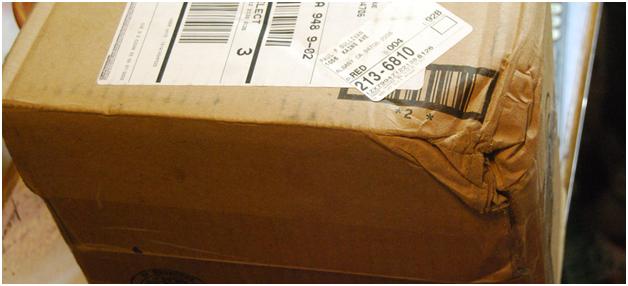
Basically, you need to optimize the “shipping experience” for your customer. It’s not always a case of making sure the item arrives as fast as possible, although speed is obviously a factor that many will consider. You just need to make sure you’re fulfilling the delivery as agreed. As for damaged goods, you’ll want to take it up with whatever delivery service you’re using. Unless, of course, the couriers received the item damaged in the first place. In which case, you need to take better care of your stock!


